


An Enterprise Strategy Formulation is a very popular process used by a large number of organizations to streamline their operations. In this blog we will look into what it is, some of the best practices to be aware of, and why it is so important for it to be a part of your organizational structure!
What is an Enterprise Strategy Formulation?
The enterprise strategy formulation is the act of devising a methodical long-term plan to help a firm achieve its aspirations. This includes reviewing the company’s resources, researching sector trends, setting targets, lean portfolio management, and developing tactics to satisfy those objectives.
The process of establishing an enterprise strategy can be split into five stages: 1. Analyzing Assets, 2. Surveying Industry Trends, 3. Establishing Goals, 4. Designing Strategies, 5. Supervising and Refining Plans.
How does an Enterprise Strategy Formulation work?
The Enterprise Strategy Formulation process consists of several key steps:
Understanding the External Environment
To start the process, companies must first understand the external factors that may impact their operations. This involves conducting a PESTEL analysis:
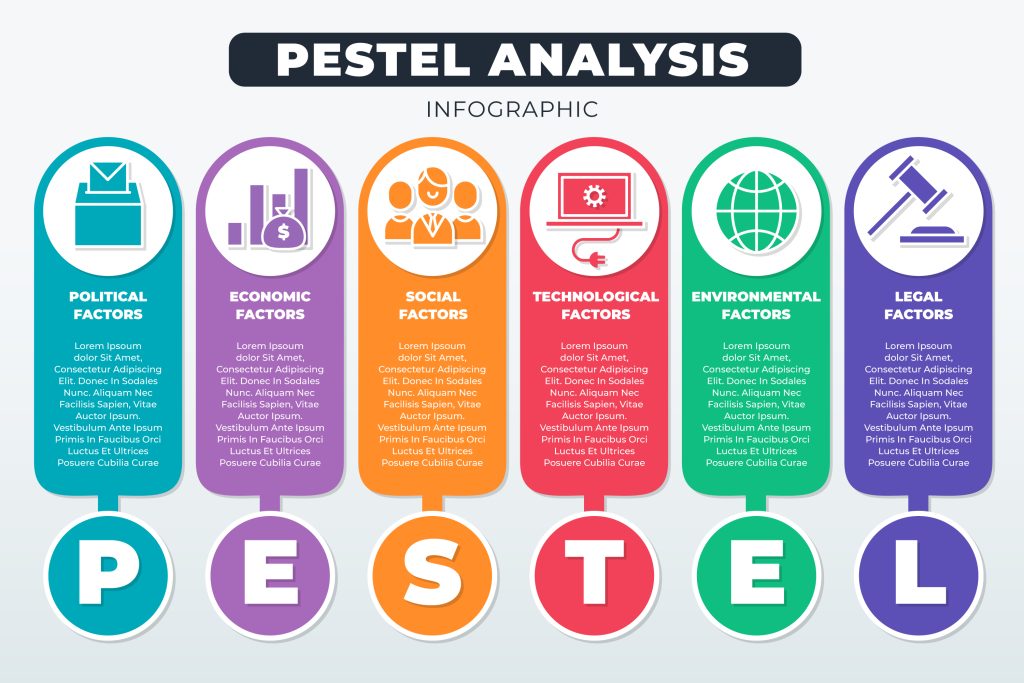
Political factors
The realm of politics can have a serious impact on businesses. Governmental policies, legal regulations, and political stability can all alter the industry or how a corporation runs.
Political upheaval in an area can lead to closed borders, scrapped agreements, and invalid business permits—all being detrimental to companies that operate there.
Exceedingly dangerous situations might emerge from unrest, like civil wars or armed disputes. This could result in high criminality, limited access to supplies or markets, and extensive disruption of operations for firms situated in those areas.
Economic factors
Market evaluation includes considering economic conditions, inflation rates, exchange rates, and overall market growth.
These factors can substantially impact a company’s performance. When assessing the financial status of a company, it is essential to consider exchange rates as they can have significant effects on a company’s bottom line.
For instance, if a business in the US imports goods from China, an increase in the Chinese Yuan exchange rate would raise the cost of these materials for the US-based business. This could lead to increased overhead costs and lower profitability for that business – a situation no entrepreneur wants to face.
Social factors
Cultural trends, consumer preferences, demographics and lifestyle changes are all factors that shape the demand for services in the economy. In recent years, social media platforms have taken on greater significance as they allow for rapid sharing of trends, opinions, and values to millions of people worldwide.
Consumers are becoming more exposed to different cultures and lifestyles through these platforms, thereby adopting novel ideas and habits. Companies should be mindful of this influence on the marketplace as it may generate increased competition. However, they can also capitalise on social trends by creating products and services that cater to changing customer needs.
For instance, many businesses now provide eco-friendly packaging or vegan-friendly food options due to growing demands from consumers who care about environmental protection or animal welfare.
Technological factors
This section focuses on advances and incorporation of technology into the industry, which can have an effect on a firm’s competitiveness.
Technology is a major factor in determining the performance and future possibilities of a business. It can help businesses increase their efficiency, reduce expenses, and reach out to new customers.
As an example, a company could use e-commerce tools like Shopify or Amazon to expand its customer base and target fresh markets, or it may invest in cloud-based services to streamline its processes. Additionally, tech can give companies access to helpful data that can be used for analytics and market research.
Environmental factors
Environmental factors are all about ecological sustainability and the broader effects of business operations on the environment. Companies must pay attention to both their own potential environmental consequences and the increased environmental consciousness of buyers.
Enterprises have to think about how their methods can alter the environment, including their consumption of natural resources, waste management, and emissions. Businesses should strive for sustainable processes and create policies that diminish their carbon footprint as much as possible.
Additionally, businesses can look to create green products or find ways to reuse or recycle materials. Moreover, companies need to be aware of increasing consumer interest in environmental issues.
Clients are becoming increasingly conscious when making purchasing decisions and are more likely to prefer eco-friendly or ethical items. Hence, companies have to take notice of this pattern and create marketing plans geared toward consumers’ concerns with the environment in order to remain competitive in the market.
Legal factors
When assessing a company’s performance, it is critical to factor in the legal environment where the organization is operating.
Companies ought to be well-versed on how laws and regulations might affect their operations, which can include taxes applied to their sales or regulations that delimit certain activities like advertising or product pricing.
Moreover, businesses must make sure they are observing industry standards and government rules; if not, then it could result in hefty fines that can have a damaging effect on the firm’s financial results.
Analysing Industry Trends
Once the external factors are understood, the next step is to analyze industry trends. This is commonly done using two tools:
Porter’s Five Forces analysis
Porter’s Five Forces analysis helps businesses assess the level of competition and attractiveness within their industry. It examines five key factors: the threat of new entrants, the bargaining power of buyers, the bargaining power of suppliers, the threat of substitute products or services, and competitive rivalry within the industry.
For businesses that use Porter’s Five Forces analysis, the ability to find new markets or areas of expansion could be a huge advantage. The initial step is analyzing the risk of new players entering the industry. New entrants can bring fresh ideas and competition, which can cause disruption in an industry and lead to decreased profits for companies within it.
To estimate the threat, businesses must recognize the obstacles stopping new players from joining, as well as any benefits that may motivate them to get involved.
These barriers may include high capital costs, governmental regulations, customer loyalty, lack of skilled labor, access to distribution channels, and economies of scale. Incentives could include lower start-up costs due to deregulation or subsidies from governments designed to encourage innovation or enlargement into new markets.
The second factor is the leverage of buyers. Buyers have the power to drive down prices and demand better quality products and services if they have options available in the marketplace.
SWOT analysis
The SWOT(Strengths, Weaknesses, Opportunities, and Threats) analysis helps the company assess its own inner strengths and weaknesses and recognize any external opportunities or issues that may be present. This type of evaluation offers valuable insights for informed decisions.
It can also be utilised to gain a better awareness of the overall market. Businesses can evaluate their standing and positioning against other companies in the same space to identify where they stand compared to the broader industry, as well as spots that need attention or expansion opportunities.
As an example, a business can use a SWOT analysis to compare their product features to those of competing firms. They may inspect details like price points, customer service, and company recognition as well.
You can identify how devoted your customers are to your business as compared to that of other companies in the market. Utilizing SWOT analysis gives you an idea of customer likes and tendencies, making it possible for you to adjust and revise your strategies. This knowledge is priceless when trying to figure out what consumers need and want.
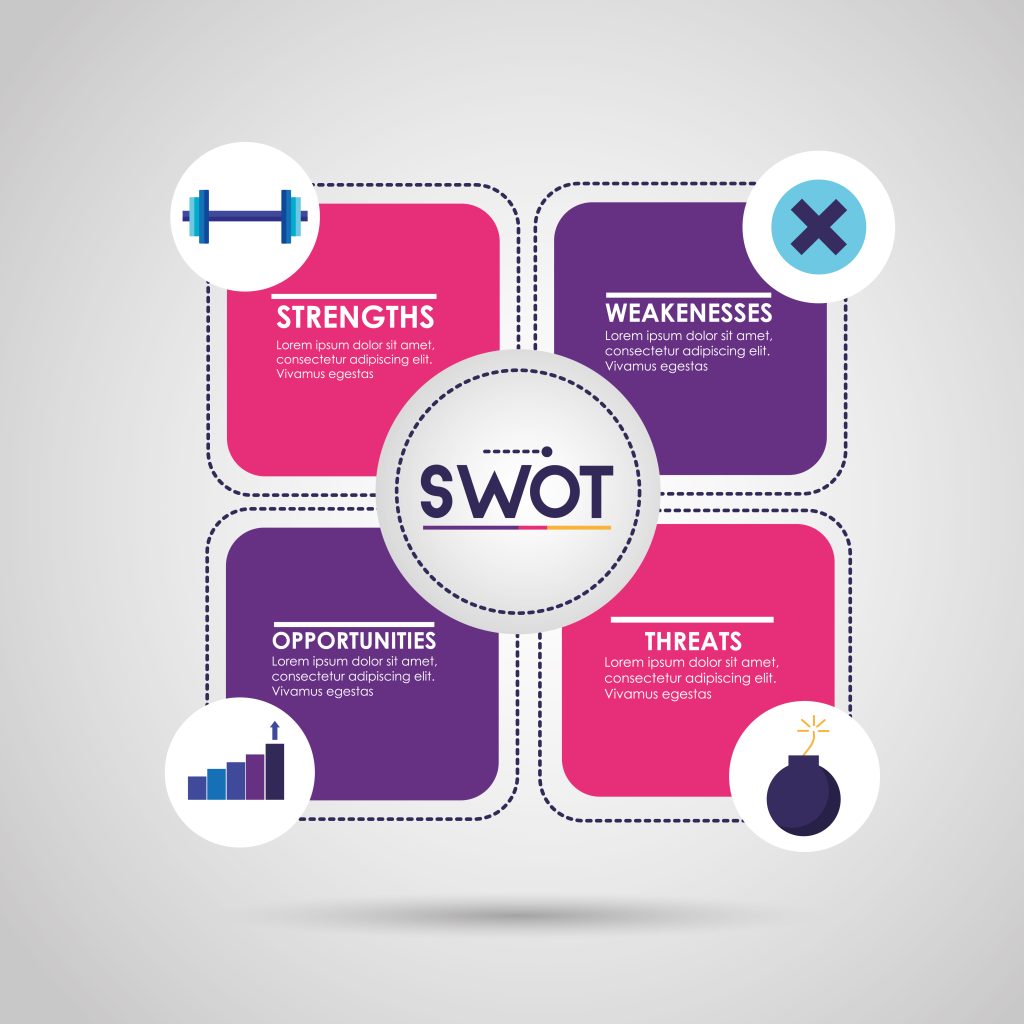
- Check this out for a full overview of the SWOT Analysis
Identifying Competitive Advantage
After assessing the external environment and market conditions, businesses can determine their differentiating factor; those qualities that set them apart from other companies. It’s important to capitalise on this competitive edge for lasting success.
To get the most out of these advantages, a strategy is required. This could include formulating an innovation plan to tap into new technologies or start up a marketing campaign to attract more customers. Businesses should put precedence on establishing strong relationships with existing consumers and brand loyalty.
Another method businesses can use to get the best out of their resources is through maximising value. This includes investing in staff training programs or offering bonuses as incentives for employees to work hard. Also, businesses can invest in customer relationship management software or broaden their product portfolio with high-grade items.
Setting Corporate Objectives and Goals
Once leaders and/or organizations have a better understanding of the external environment and what their competitive edge is, they can then set ambitious corporate objectives and goals:
Establishing a Company Mission and Vision Statement
Crafting a crystal-clear mission and vision statement transmit the organization’s goals and ambitions, directing its efforts while motivating stakeholders.
Defining Strategic Objectives
Strategic objectives are clear, achievable goals with established timeframes that support the desired outcome. They provide a plan of action to reach the company’s desired ambition as planned and in a timely manner.
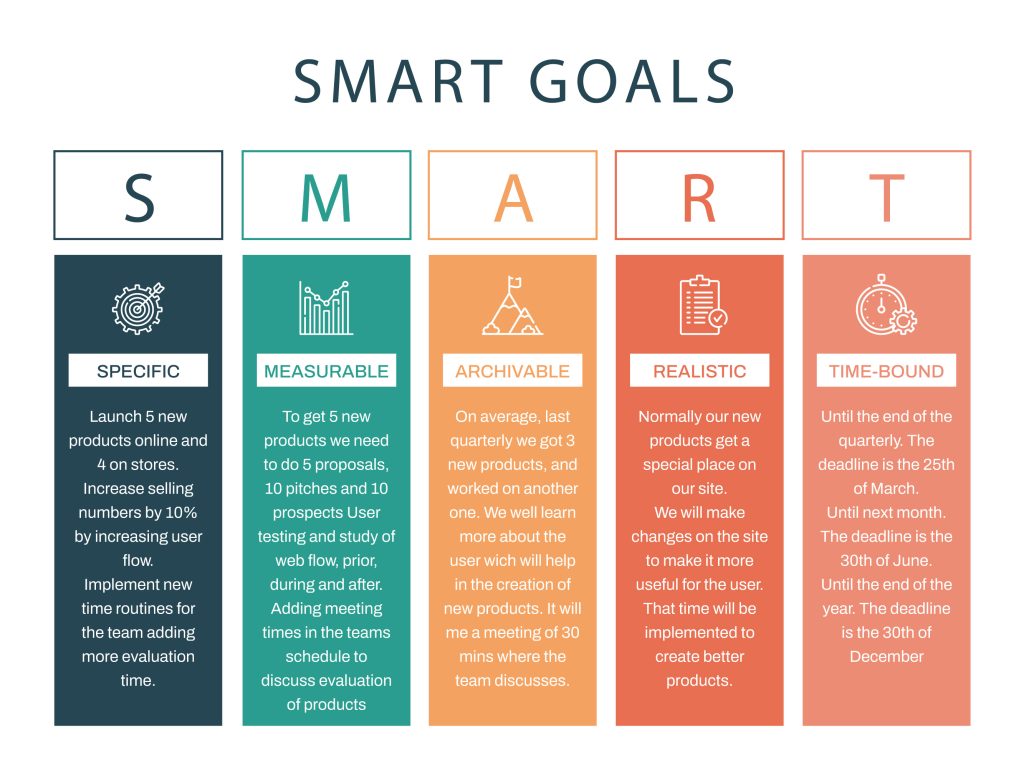
Setting SMART Goals
In order to reach their targets and monitor progress, companies often employ SMART goals – Specific, Measurable, Achievable, Relevant, and Time-bound.
Developing Strategic Initiatives
Once the objectives and goals are in place, companies must develop strategic initiatives to realize them:
Evaluating Various Strategic Options
Organizations assess and explore a variety of strategic approaches and estimate their potential results. This might include investigating market enlargement, product broadening, or forming strategic alliances.
Choosing the Most Suitable Strategy
When all the possibilities have been mulled over, the organization decides on the approach that best accommodates its objectives, capacities, and assets to get the most guarantees of meeting its targets.
Creating an Action Plan for Implementation
A well-crafted blueprint details the actions, assignees, and due dates for executing the decided-upon plan. This ensures an organized system to put the strategy into practice effectively.
Allocating Resources
With the strategy defined and planned, the next step is resource allocation:
Assessing Available Resources
Businesses evaluate the resources and capabilities they possess to determine what can be leveraged for strategic initiatives. Ideally, organizations want to avoid ending in a position where outside financial investment is the only available option to achieve their goals.
Addressing Resource Gaps
Resource gaps are identified, and the company devises a plan to either obtain or create the appropriate resources in order to execute its strategy properly.
Allocating Resources Effectively
Resources are distributed in a way that best facilitates the strategic objectives, guaranteeing efficient performance and business agility.
Conclusion
In summary, Enterprise Strategy Formulation provides the guidance that organizations need to be successful in a rapidly-evolving and competitive marketplace.
Knowing what’s happening externally, setting clear objectives, and establishing helpful strategic initiatives enable companies to gain a lasting edge over their rivals.
It’s imperative to assess the strategy regularly and make modifications as needed; this will ensure the strategy is up-to-date and enable firms to take full advantage of chances for growth and sustainability in spite of any challenges. With an organized approach and well-executed plan, businesses can stay ahead.
