


Credit cards have historically been a fantastic tool to offer you flexibility in managing expenses. However, missing a payment deadline may lead to financial penalties. One of the most common charges imposed by card providers is the credit card late payment fee. This additional cost is applied when a borrower fails to make at least the minimum payment on time.
In this article we will explain everything you need to know about how late fees work, their impact on your finances, and the many ways to avoid them. They are crucial for responsible credit management.
Key Takeaways
- A late fee is charged when a borrower misses a payment, compensating lenders and encouraging timely payments.
- Late fees range from £12 to £25 and can lead to extra charges, lost promotions, and increased debt.
- Payments over 30 days late harm credit scores, with severe delays risking account closures and collections.
- Late payments may trigger a penalty APR, making debt more expensive and harder to repay.
- Set up automatic payments, use reminders, and align due dates with your income to stay on track.
- Contact your issuer to request a fee waiver and pay the overdue amount quickly to limit damage.
Understanding a Credit Card Late Payment Fee
Definition and Purpose
A credit card late fee is a charge lenders apply when cardholders fail to make the required payment by the due date. This fee serves two main purposes for them:
- Compensating the lender – Card issuers rely on timely payments to manage their lending operations smoothly. Late fees offset some of the costs incurred when payments are delayed.
- Encouraging timely payments – The penalty acts as a form of deterrent, pushing borrowers to prioritise their due dates and maintain responsible financial habits in their life.
Late fees are not simply minor inconveniences; they will increase debt levels significantly, impact credit scores, and, in some cases, trigger much higher interest rates if the payment remains overdue for an extended period.
Standard Fee Amounts
The amount charged varies depending on the credit card provider, the outstanding balance, and regulatory limits. In the UK, most major lenders adhere to guidelines set by the Financial Conduct Authority (FCA) and limit late fees to reasonable amounts (usually).
A typical late fee structure may look like this:
| Outstanding Balance (£) | Late Fee (£) |
| Under £100 | £12 |
| Over £100 | £12 – £25 |
While some card issuers set a fixed charge, others apply tiered fees depending on the number of missed payments. Repeated late payments can lead to additional penalties, such as interest rate increases or restrictions on future borrowing.
How Late Fees Are Applied
Payment Due Dates
Each credit card statement includes a payment due date, which is the deadline for making at least the minimum required payment. If a cardholder fails to clear this amount by the cut-off time on the due date, a late fee is applied.
Lenders typically process payments on business days, meaning if the due date falls on a weekend or bank holiday, you may need to make the payment earlier to ensure it is received on time.
Grace Periods
Most UK credit card providers offer a grace period, which is an additional window of time after the statement date during which you can pay your balance without incurring interest on purchases. However, this grace period does not apply to late fees—if you miss the due date, the fee is charged immediately and can only be waived for something reasonable.
The standard grace period for UK credit cards is up to 56 days, but this applies only if you pay your balance in full. If you carry over any unpaid balance from the previous statement, interest will start accruing, and the grace period will not be available for new purchases.
Keeping track of your due dates and understanding your card issuer’s terms is essential to avoiding unnecessary penalties. In the next sections, we’ll explore ways to prevent late fees and what to do if you’ve already incurred one.
Consequences of Late Payments
As we briefly mentioned prior, missing a credit card payment may seem like a minor slip, but it can have serious financial implications beyond just the late fee itself. From additional penalties to long-term damage to your credit profile, the consequences of late payments can be costly.
Financial Penalties
The most immediate consequence of a late payment is the late fee, which can range from £12 to £25, depending on the lender and the size of your balance. However, this is just one part of the financial impact. Other penalties can include:
- Loss of promotional offers – If your credit card had a 0% interest introductory period, a late payment could void this offer, meaning you’ll start accruing interest immediately.
- Additional fees – If the late fee causes your balance to exceed your credit limit, you may also incur an over-limit fee and in extreme cases, an account termination.
- Debt accumulation – Late fees and interest charges can compound, making it harder to pay off your balance and increasing your overall debt.
Impact on Credit Score
Credit card payments play a crucial role in determining your credit score, and missing even a single payment can negatively impact your rating. UK credit reference agencies—Experian, Equifax, and TransUnion—track your payment history, and a late payment could stay on your record for up to six years.
Here’s how late payments affect your score:
- 1 to 29 days late – May not be reported to credit agencies but could result in late fees and warnings from the issuer.
- 30+ days late – Reported to credit bureaus, causing a drop in your credit score.
- 60+ days late – Further damage to your credit score, potential interest rate hikes, and risk of account closure.
- 90+ days late – Account may be sent to collections, making it much harder to recover financially.
If you have an otherwise strong credit history, the impact of a single late payment might be smaller, but multiple missed payments can significantly damage your ability to get credit in the future, which is not an ideal situation for anyone.
Interest Rate Increases
Late payments don’t just result in fees—they can also lead to higher interest rates. Many lenders impose a penalty APR (Annual Percentage Rate) when a cardholder misses one or more payments.
For example, if your standard interest rate is 19.9% APR, a late payment could trigger an increase to 29.9% APR or higher, making your debt significantly more expensive. Some issuers may return your rate to normal after several months of on-time payments, but others may keep the penalty rate indefinitely.
This increase in interest rates can make it even harder to clear your debt, creating a cycle where missed payments lead to higher costs and further financial strain.
How to Avoid Late Fees
Given the serious consequences of missing a payment, it’s essential to take proactive steps to ensure you always pay on time. Here are some effective strategies to avoid late fees.
Setting Up Automatic Payments
One of the most reliable ways to prevent late payments is by setting up a direct debit for at least the minimum payment each month. This ensures that your lender receives a payment on time, even if you forget.
You can usually choose from three options when setting up automatic payments:
- Minimum payment – Prevents late fees but doesn’t reduce your balance quickly.
- Full balance – Clears your debt each month, avoiding interest charges.
- Fixed amount – A set payment that helps you manage your balance effectively.
Most UK banks and credit card providers allow you to set up direct debits via online banking, ensuring your payments are made without the risk of forgetting.
Payment Reminders
If you prefer to make manual payments, setting up reminders and alerts can help you stay on track. Many credit card providers offer:
- Email and SMS alerts – Notifications when your payment is due.
- App notifications – Alerts from your banking app to remind you before the due date.
- Calendar reminders – Setting an event in your phone’s calendar can help you stay on top of payments.
Small reminders like these can prevent missed payments and unnecessary fees, especially if you have multiple credit cards to manage.
Aligning Payment Dates
If your credit card payment dates don’t fit well with your income schedule, you can request a change of due date, to alleviate that stress. Many lenders allow you to choose a more convenient date, such as just after payday, to ensure you always have funds available.
Aligning your payment date with your salary can:
- Reduce the risk of missed payments due to a lack of funds.
- Help with budgeting by keeping your expenses predictable.
- Ensure smoother financial management, particularly if you have multiple bills to juggle.
Making these simple adjustments, helps you avoid late fees, maintain a strong credit profile, and keep your financial situation under control.
What to Do If You Miss a Payment
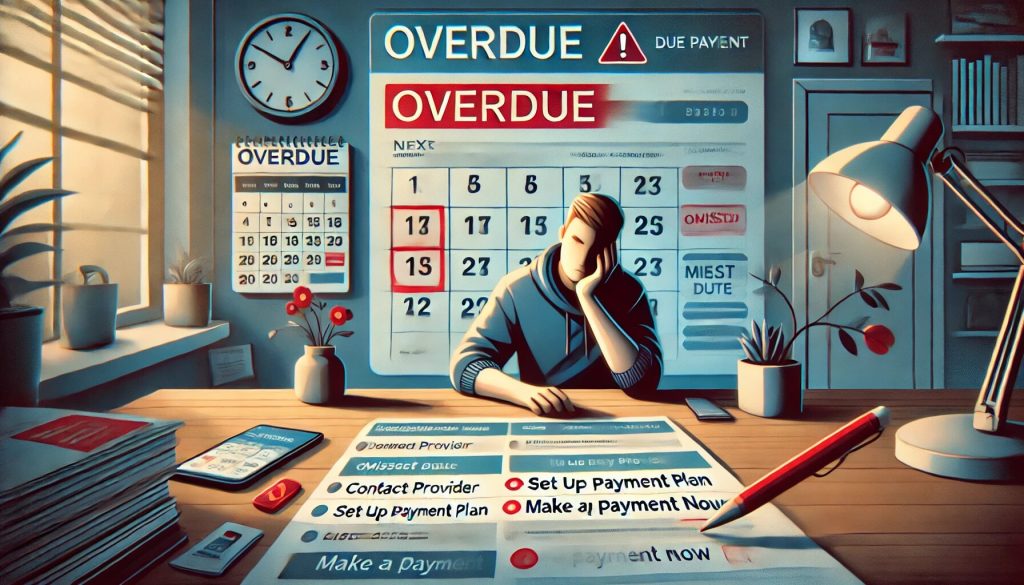
If you realise you’ve missed a credit card payment, acting quickly can help minimise the financial impact and prevent further consequences. The sooner you address the issue, the less damage it will do to your credit score and overall financial health.
Contacting Your Card Issuer
As soon as you notice a missed payment, reach out to your credit card provider. Many issuers are willing to waive the late fee if it’s your first offence and you have a history of making on-time payments. When calling, be polite and explain the situation—whether it was an oversight, a bank delay, or a financial difficulty.
In some cases, your provider may:
- Reverse the late fee as a goodwill gesture.
- Offer a payment arrangement if you’re struggling financially.
- Prevent your interest rate from increasing if you make a quick repayment.
If you’ve already been charged a late fee, it’s still worth asking whether it can be removed. While there are no guarantees, many lenders are flexible with customers who generally maintain a good payment record.
Making the Payment As Soon As Possible
Even if your payment is late, settling it as soon as possible is essential to limit further penalties. If you can, pay at least the minimum required amount immediately to prevent additional fees or credit score damage.
- If you’re less than 30 days late, your lender may not report the missed payment to credit agencies, allowing you to avoid long-term harm to your credit score.
- If you’re over 30 days late, the delay will be recorded on your credit file, but making the payment promptly can stop further negative marks.
- If you’re over 60 or 90 days late, your account could be sent to collections, making it much harder to recover.
Many banks offer faster payment services, meaning your payment can be processed on the same day. If you’re unsure whether your payment will reach the issuer in time, check with your bank and choose the quickest option available.
Conclusion
Credit card late fees may seem like minor charges, but they can quickly add up and lead to serious financial consequences if not managed properly. Beyond the immediate penalty, late payments can affect your credit score, increase your interest rates, and make it more expensive to borrow in the future.
Fortunately, avoiding late fees is simple with the right habits in place. Setting up automatic payments, using reminders, and aligning due dates can all help you stay on track. However, if you do miss a payment, acting quickly by contacting your issuer and making the payment as soon as possible can minimise the damage.
