


Getting a credit card before you turn 21 as a student can be very exciting and very frightening, especially if it’s your first time borrowing money in any way. In the UK, as a younger applicant, you will face considerably more restrictions to protect you, compared to adults. However, that doesn’t mean it is impossible to get a credit card as a student.
In this guide we will break down the options available, rules, advantages, potential disadvantages, and everything you have to know if you want to apply for a credit card as an under 21 student.
Can You Get a Credit Card if You’re Under 21 in the UK?
Indeed, you can definitely get a credit card if you are under 21 in the UK, as a student or even as an international student, worker or even unemployed, but as we mentioned, it is not as straightforward as it is for adults. Most credit card issuers have set a minimum age of 18, that doesn’t mean approval at 18 but being legally old enough to be approved. Credit history, income, and employment status all play a role, and this is where you might face challenges at your age.

If you have no job or any source of income, the options are very limited, and providers will offer you low value credit cards with high interest rated to offset some of the risk associated with borrowing money. Having an established current account with a bank and some history with said bank will help increase your chances if you apply with the same bank for a credit card, as they are familiar with your spending habits.
What Types of Credit Cards Are Available for Under-21s?
If you’re under 21 and exploring your first credit card, these are the main options we recommend:
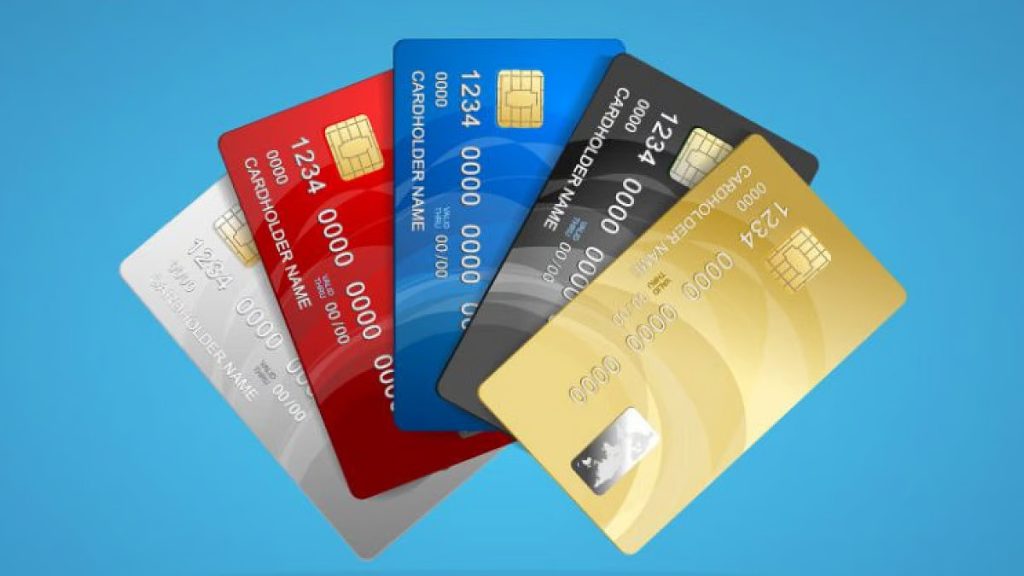
Student Credit Cards
These cards are designed specifically for students in higher education. As we said, they will probably have a low credit limit and high interest rates. They tend to have a relaxed eligibility criteria compared to regular applicants, as providers are already expecting a lower income. You will probably need to show proof of enrolment at a UK university or college.
Credit Builder Cards
If you aren’t a student or want to start your credit building journey, a credit builder card is a great option. These cards are aimed at people with little or no credit history, even for young adults. Just like the previous one, the credit limits are low, and interest rates are high, but they provide a stepping stone to better credit products if managed responsibly.
Being an Authorised User on a Parent’s Card
If you are struggling to get your own card, you can discuss it with your parents and become an authorised user of their credit card (assuming they have one). This will allow you to sue their card, but the primary holders will remain your parents, whom will still be responsible for repayments. While this option doesn’t directly build your independent credit history in the UK, it’s a way to gain access to credit while learning how to use it sensibly.
Prepaid and Alternative Options
Technically, they are not credit cards. However, prepaid cards can offer a way to manage money and gain experience handling a card before getting an actual credit card. Since you can only spend what you load onto them, there’s no risk of debt. Many prepaid cards offer features that help build financial literacy, such as personal spending insights and budgeting tools.
Pros and Cons of Getting a Credit Card When You’re Under 21
Pros of Getting a Credit Card When You’re Under 21
1. Building your credit history early
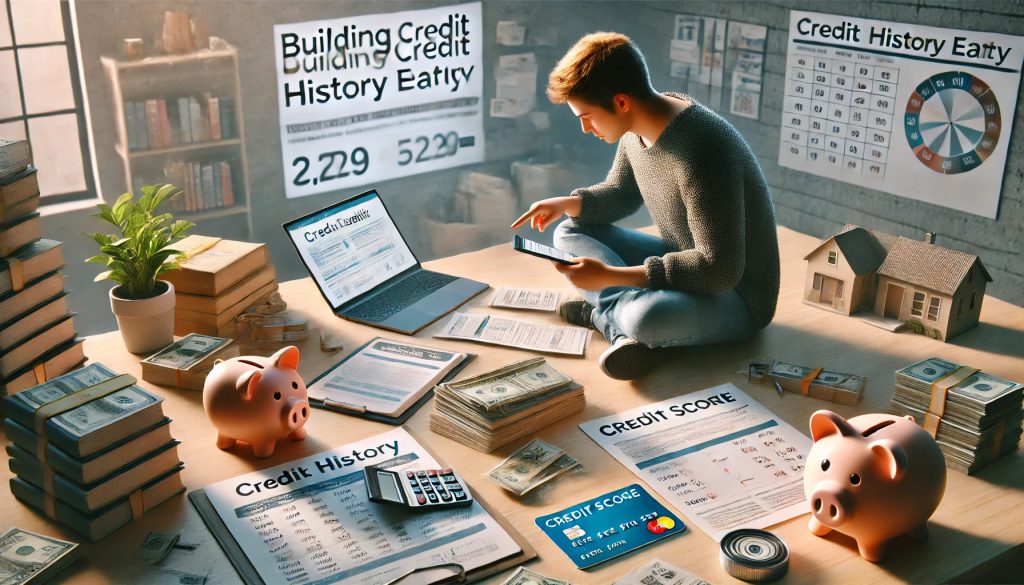
One of the biggest advantages of getting a credit card at a young age is starting to build your credit file. In the UK, lenders check your credit history whenever you apply for loans, mortgages or even phone contracts. Having a well-managed credit card from an early age helps establish that record, showing lenders you can handle borrowing responsibly.
2. Learning financial responsibility
A credit card isn’t just a spending tool — it’s a valuable lesson in budgeting, interest rates, and managing repayments. Starting young gives you a head start on understanding how credit works and developing habits that will serve you well later, like paying your balance in full each month.
3. Emergency flexibility
Although savings should always come first, a credit card can offer a backup option if you ever face an unexpected expense, such as a car repair or urgent travel need. Having access to this safety net, even with a low limit, can be reassuring.
4. Access to online payments and bookings
Some transactions, such as booking hotels, renting cars, or making certain online purchases, often require a credit card. Having one can make life easier if you want to travel or shop online, especially with some businesses preferring credit over debit for added security.
Cons of Getting a Credit Card When You’re Under 21
1. High interest rates
Credit cards available to under-21s, particularly credit builder and student cards, tend to come with much higher interest rates compared to standard credit cards. If you don’t pay your balance off in full each month, interest charges can quickly become expensive — sometimes outweighing any benefits.
2. Temptation to overspend
It’s easy to see a credit card as “free money,” especially if you’re new to managing your own finances. Without clear budgeting and self-control, you could find yourself spending more than you can comfortably afford to repay, putting yourself in debt at an early age.
3. Impact on credit score if mismanaged
While using a credit card responsibly can help build your credit score, missed payments, maxing out your limit, or applying for multiple cards in a short space of time can do serious damage. Negative marks can stay on your credit file for six years, making it harder to borrow in future.
4. Limited credit limits
Most cards aimed at younger applicants come with low initial limits — sometimes as low as £250 or £500. While this reduces risk for lenders, it also limits flexibility if you need to make larger purchases. Increasing the limit over time depends on demonstrating reliable use.
How to Build Credit Responsibly Before You’re 21
Getting your first credit card is only part of the process — what really matters is how you use it. Building a strong credit history before turning 21 can set you up for better financial opportunities in the future, from qualifying for lower interest rates to getting approved for larger loans when you need them.
The simplest and most effective habit is paying your balance in full and on time each month. This shows lenders that you can borrow responsibly and reduces the risk of falling into debt. Even small purchases paid off regularly contribute to your credit history.

Credit utilisation also plays a role. This means how much of your available credit you actually use. As a rule of thumb, keeping your spending below 30% of your credit limit is viewed positively by lenders. For example, if your credit limit is £500, aim to keep your balance below £150 whenever possible.
It’s also smart to set your own personal spending limits, even if your card provider doesn’t. Just because your limit allows you to spend £500 doesn’t mean you should. By treating your credit card more like a debit card — only spending what you know you can repay immediately — you’ll avoid interest charges and build a reputation for responsible borrowing.
Finally, regularly checking your credit report helps you stay on top of your progress. In the UK, you can access your credit report for free through services like Experian, Equifax, or TransUnion. This also allows you to spot any errors and correct them before they become a problem.
Alternatives if You Can’t Get a Credit Card Yet
If you apply for a credit card under 21 and get rejected — or simply don’t feel ready for one yet — there are other ways to start building your financial profile and eventually get those sweet premium credit cards.
A student overdraft can be a useful first step if you have a student bank account. Many student overdrafts offer interest-free borrowing within a set limit, giving you some flexibility without the risks of a credit card. Just be sure to stay within the agreed limit to avoid fees.
Prepaid cards with credit reporting features are another option. Some newer financial products allow you to load money onto a prepaid card and have your responsible use reported to credit agencies. This offers a middle ground between debit and credit, helping to establish a record without actual borrowing.
If your parent or guardian has a strong credit profile, becoming an authorised user on their card is also worth considering. While this doesn’t directly build your own credit score with all UK lenders, it gives you experience managing a credit account and can be helpful if you later apply with the same bank.
Finally, credit building apps and services are growing in popularity. Tools like Loqbox, for example, let you save money while simultaneously reporting your activity to credit agencies, essentially simulating the process of repaying a loan. This can be a useful stepping stone if you want to show positive payment history without taking on actual debt.
Common Myths About Credit Cards for Under-21s
Myth 1: You need a full-time job to get a credit card
Having a full-time job surely helps, as it provides you with consistent income and it will make you a more attractive profile for the cards, but student cards are designed specifically for applicants who only have part-time work or student loans. Your eligibility depends on a mix of factors, not just your employment status.
Myth 2: Having a credit card will automatically put you in debt
Whether you end up in debt or not is entirely up to you. If you repay what you spend and don’t carry a balance, you will not be in debt and you’ll build credit without taking on long-term debt.
Myth 3: Getting rejected damages your credit score
Yes, the application itself leaves a mark on your credit file as it is what we call a “hard check”, but a single rejection is something you can survive. The real risk comes from applying very often in a short space of time, which will make you look desperate for credit and signal low reliability to lenders.
Myth 4: You need to carry a balance to build credit
This is probably one of the most damaging myths. You most definitely don’t need to carry a balance or pay interest to build credit — just by making regular purchases and paying them off immediately works just as well (and avoids unnecessary charges).
Final Thoughts: Should You Apply for a Credit Card If You’re Under 21?
In conclusion, if you are considering applying for a credit card as an under 21 student, it can be a smart move if you read some of our articles and familiarise yourself with how credit works, and you are confident you can manage repayments. It’s a great opportunity to build your credit history early on, which will make borrowing easier and cheaper for important purchases such as houses and cars.
However, if you have a hard time budgeting or you see yourself overspending, waiting will be wiser/ There are great alternatives, like prepaid cards, and credit builder apps, that will help you learn financial skills without the risk of debt.
Ultimately, the right choice depends on your individual situation. A credit card is a useful tool — but only if you’re ready to use it responsibly.
